 Mason Works Editorial
By: Naufi Amjad

Ads By Dhivehi Insurance Company
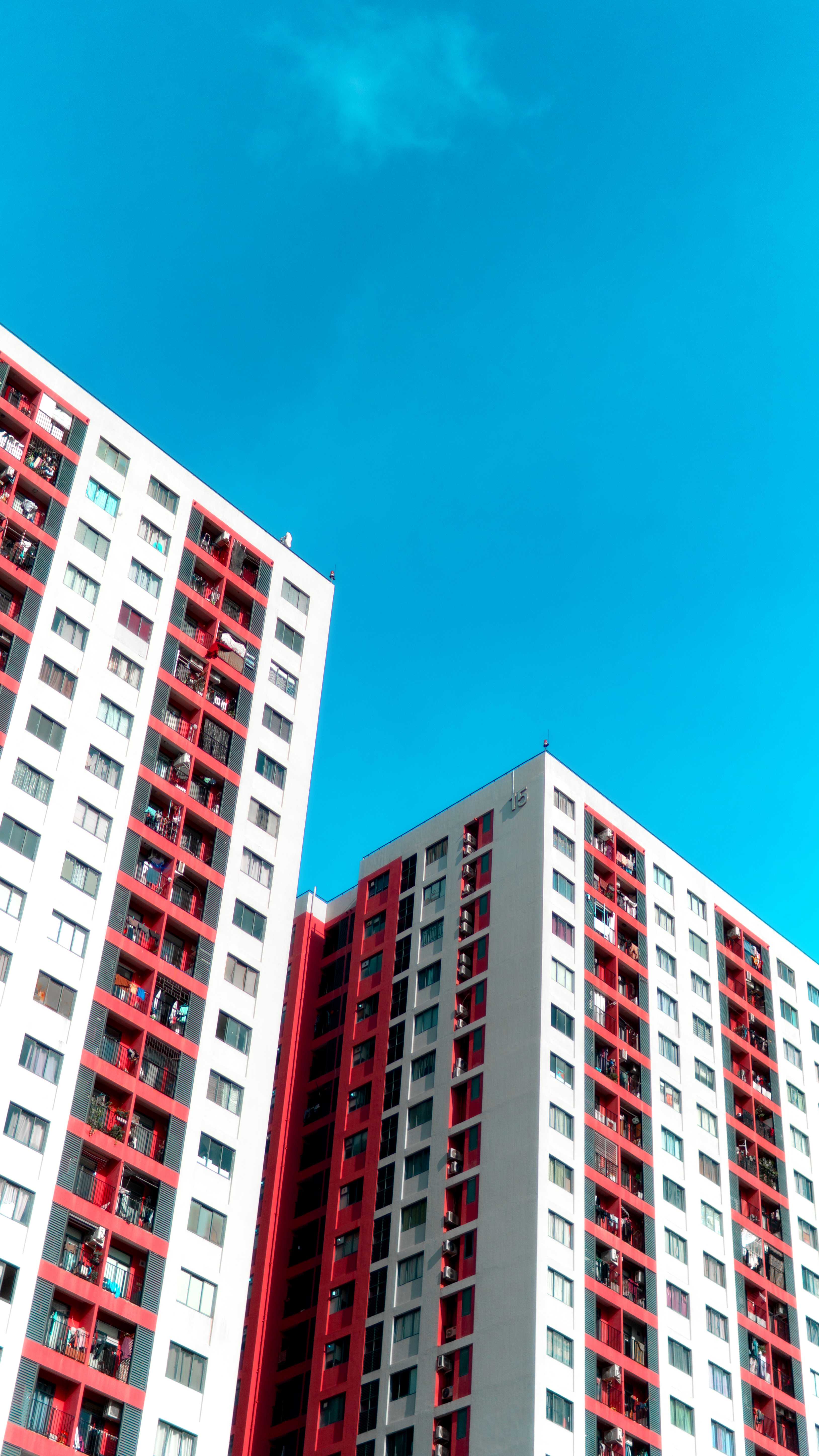
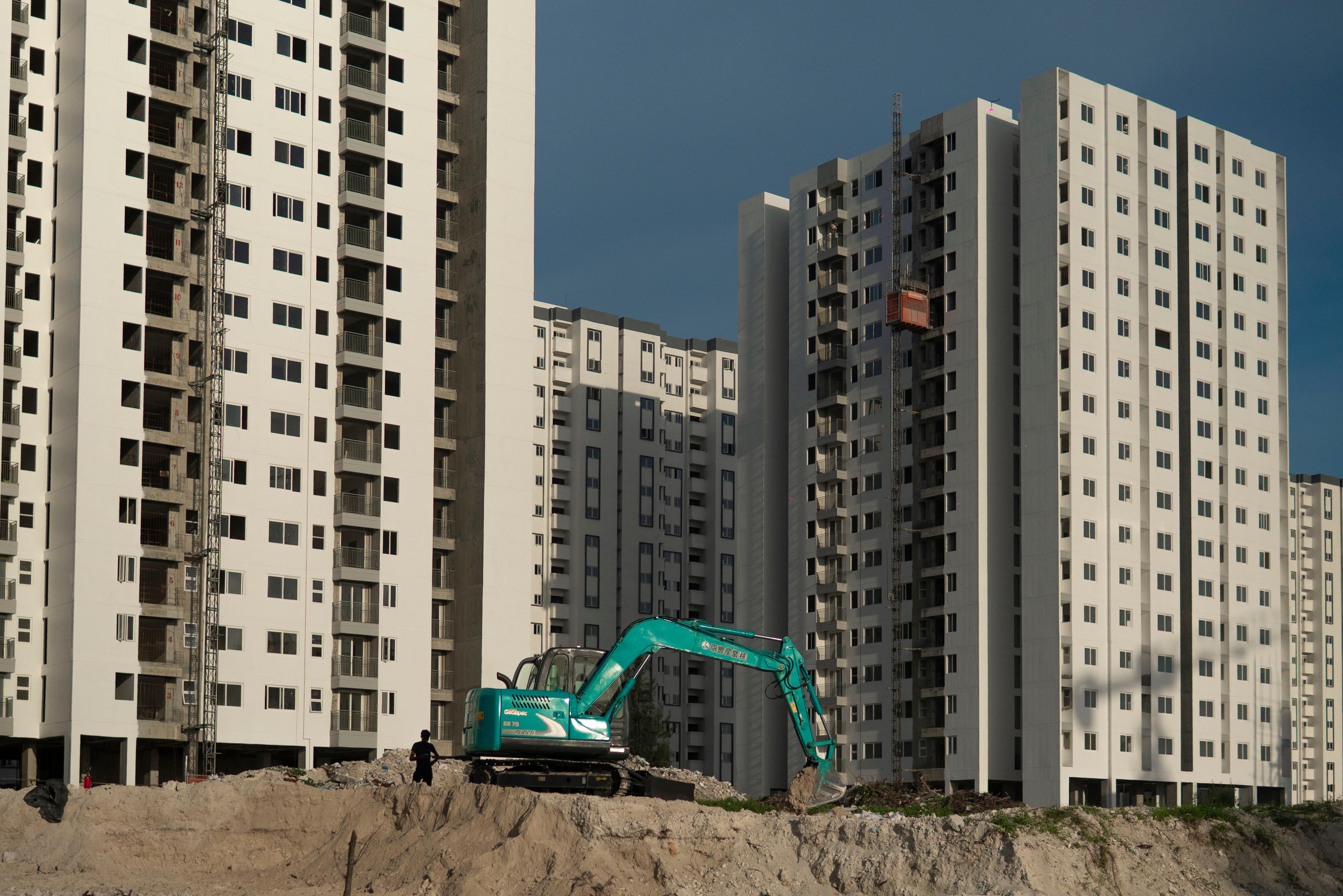
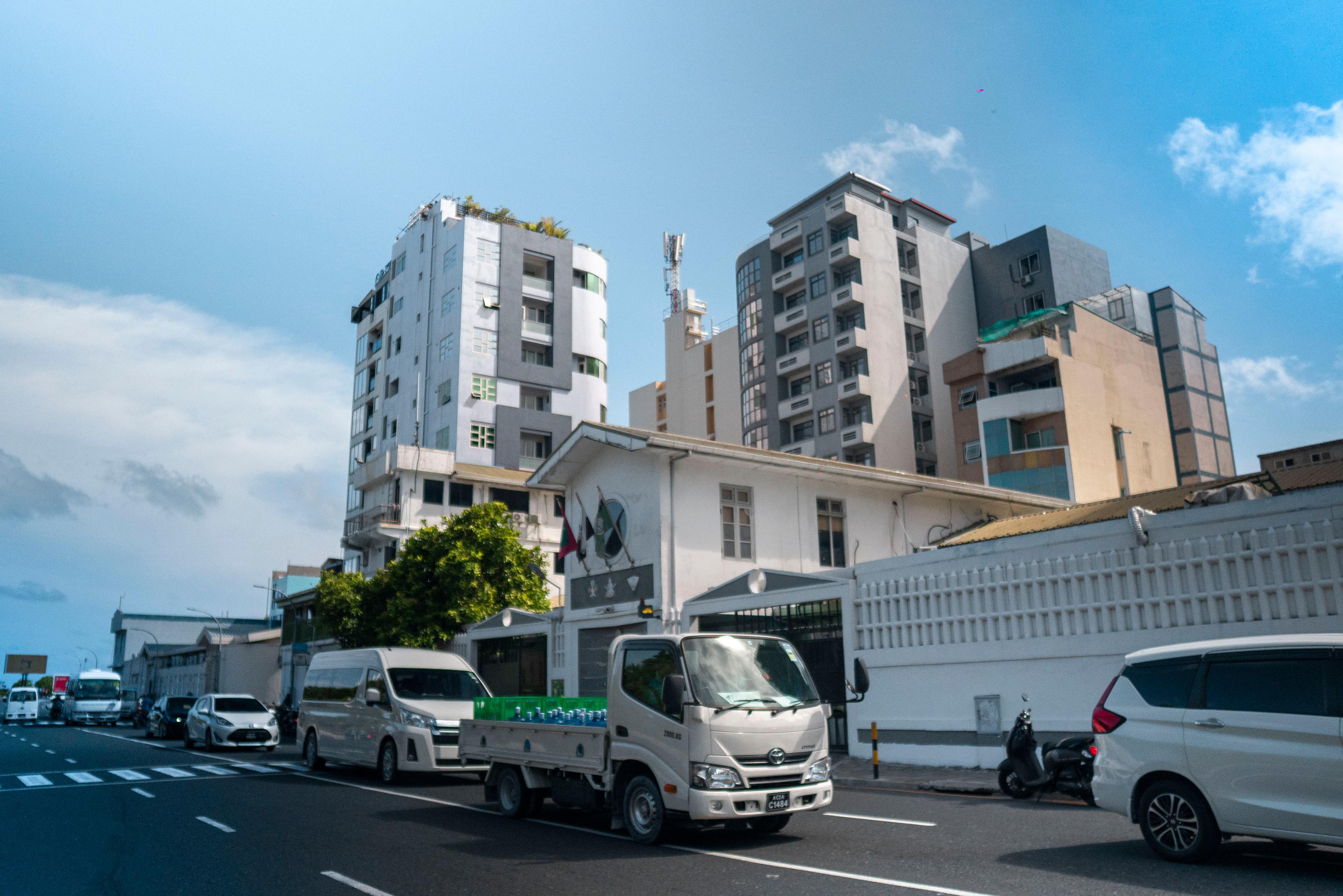
When you think of the Maldives, images of award-winning beaches and turquoise waters brimming with life likely come to mind. Picture the average Maldivian household, and you might imagine tropical bungalows with thatched roofs—a serene island paradise. But for those flying into the country for the first time, it’s the aerial view of Malé City that offers a stark contrast. A one-square-mile island, densely packed with buildings, creates a surreal concrete jungle rising defiantly from the ocean. It’s the lived reality for more than one-third of the population.
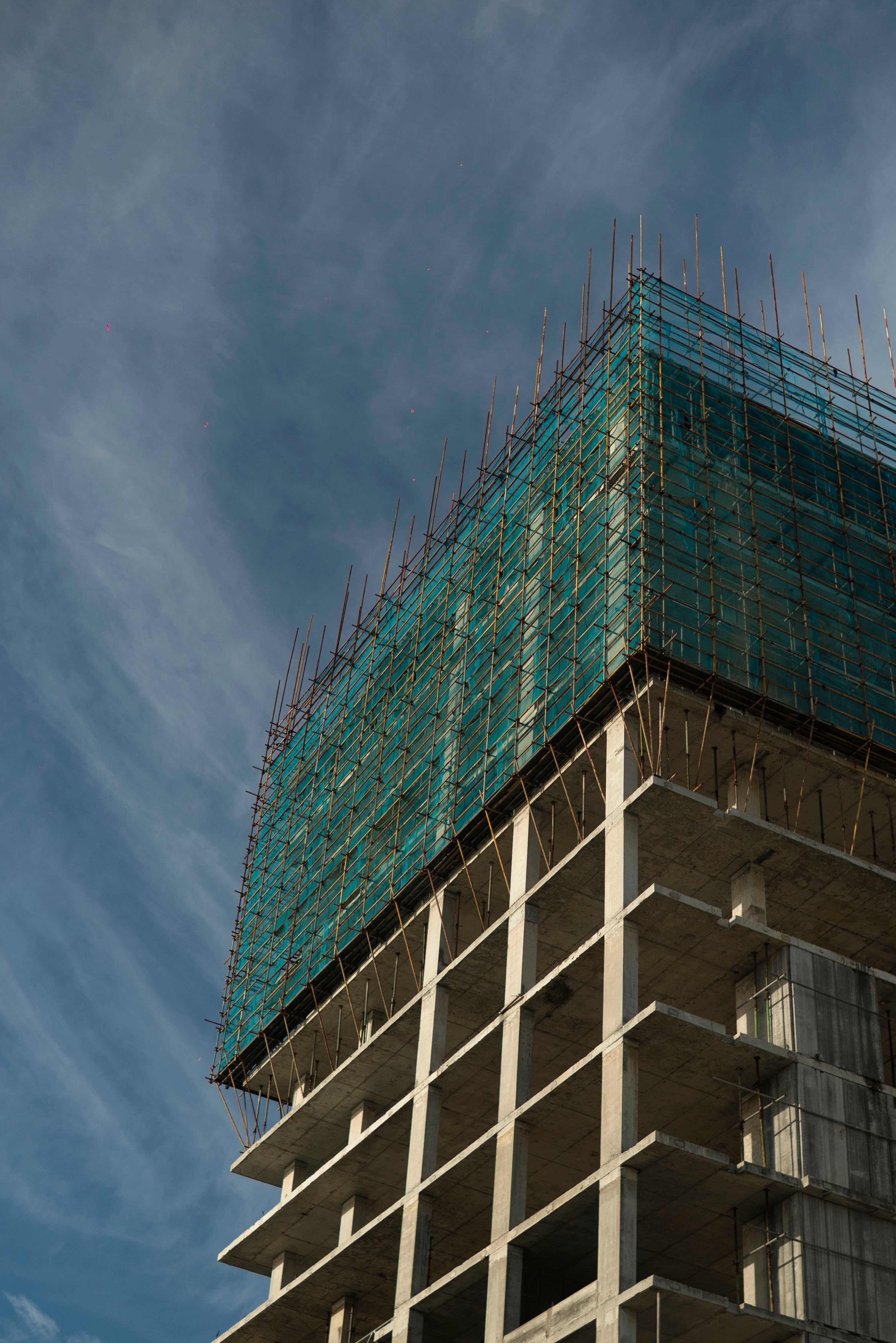
Malé is one of the most densely populated places on Earth, with rent prices rivaling those of Tokyo and New York City. Rapid urbanization here has prioritized profit over sustainability, with contractors opting for cheap materials and lax regulations enabling shortsighted practices. While climate change has climbed the global agenda, the Maldives—a nation on the frontlines—must lead rather than follow.
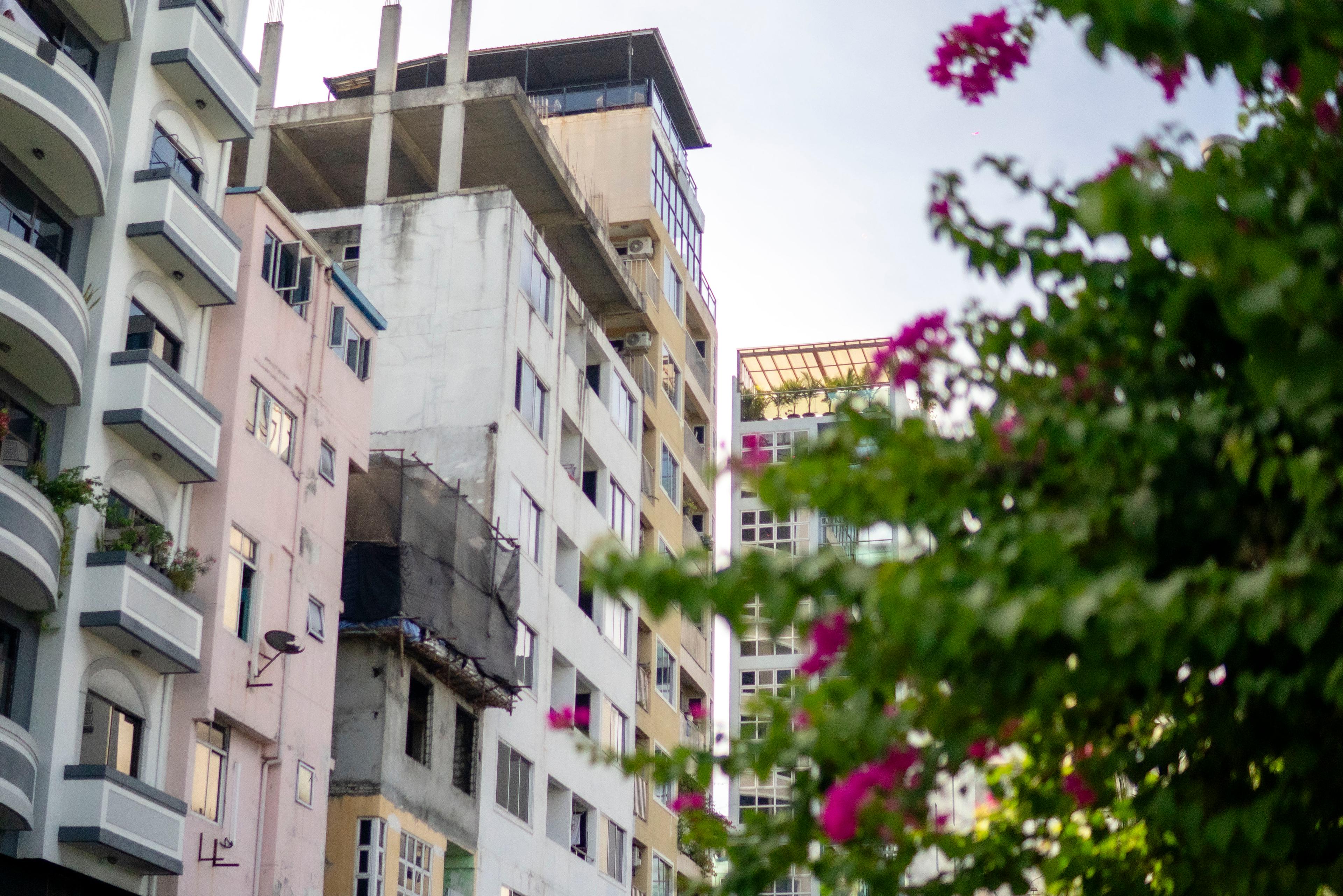
So, what defines a sustainable building today? Eco-friendly materials and energy efficiency matter, but in the Maldives, survival demands anticipatory action. As sea levels rise and extreme weather intensifies, resilience must be woven into every blueprint, policy, and budget. Globally, lessons abound: Bangladesh’s flood-resistant housing has reduced monsoon displacement (World Bank, 2020), while the Netherlands’ “living with water” philosophy integrates amphibious architecture into urban planning (Dutch Water Sector, 2023). Even traditional Maldivian architecture offers wisdom—raised floors and strategic ventilation holes once maximized airflow long before air conditioning, a testament to passive cooling in tropical climates.
For the Maldives to thrive, engineers must design for tomorrow’s climate, not today’s. Elevated foundations in flood-prone areas, salt-resistant concrete to combat corrosion (Portland Cement Association, n.d.), and modular designs with expandable rainwater systems are no longer optional. Yet technical fixes alone fall short. The gap between Malé’s concrete sprawl and eco-resort ideals isn’t just about materials—it’s systemic. Sri Lanka’s post-tsunami elevation mandates (UNDP, 2007) show how regulations can enforce resilience, while tax breaks for flood-resistant materials or grants for retrofits could incentivize change. Communities, too, hold power: reviving wind-responsive layouts or training builders in climate-adapted techniques could marry tradition with innovation.

Ads By Maldives Assures Supply
Imagine a future where pre-approved disaster-resilient designs fast-track permits, where a national fund—fueled by tourism levies or climate grants—subsidizes sustainable materials, and where workshops train contractors in rainwater harvesting or solar integration. Fiji’s community-led coastal plans (World Bank, 2017) prove such frameworks work.
The Maldives cannot afford to build for the present. Every structure must be a bulwark against the future—a fusion of foresight, policy, and ingenuity. By anchoring resilience in governance and design, we can transform Malé’s concrete jungle into a beacon of adaptation, ensuring island communities thrive long after the tides rise.
.jpg&w=3840&q=50)